Sandbass (White Bass) Guide to Lake Tawakoni
Author: Taylor Bingham
Role: Bingham Guide Service – Lake Tawakoni Fishing Guide
Last Updated: March 6, 2026
Phone: 214-551-3614
Quick Answer: How do you catch White Bass on Lake Tawakoni?
White Bass fishing Lake Tawakoni is most productive when anglers target schools of baitfish using slab spoons, swimbaits, and small jigheads. These fish often gather in large schools around bait and structure, especially during cooler months. Electronics help locate bait and fish, while vertical jigging or casting into active schools produces consistent action. White Bass are aggressive feeders and often strike quickly once you locate them.
Understanding White Bass on Lake Tawakoni
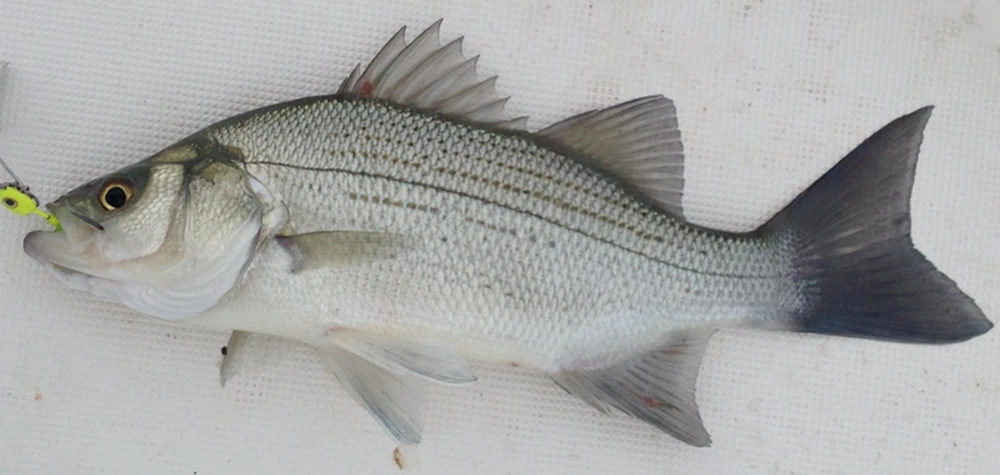
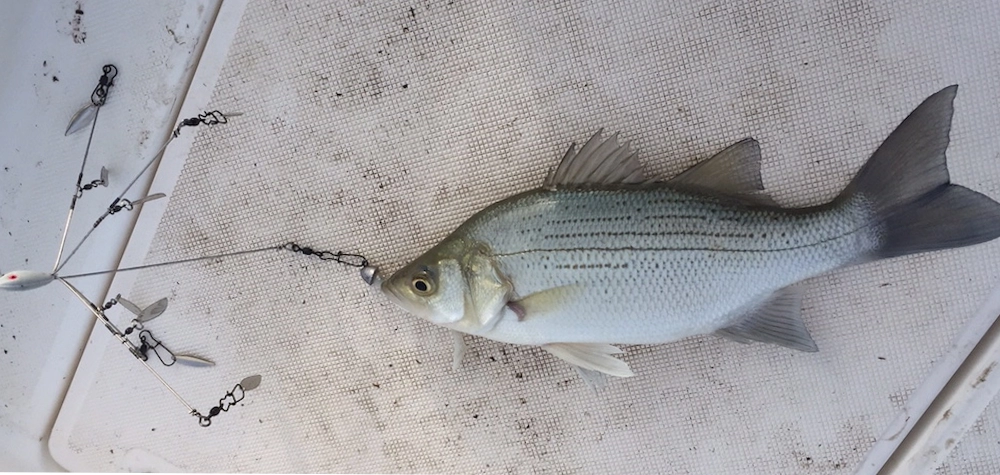
White Bass—often called Sandbass in East Texas—are one of the most exciting fish to target on Lake Tawakoni. These fish are aggressive, travel in large schools, and provide fast action for anglers of all skill levels.
Unlike largemouth bass that often hold tight to cover, white bass roam the lake chasing baitfish such as shad. When these schools are located, the action can be nonstop.
Lake Tawakoni is known throughout East Texas for producing excellent numbers of white bass along with:
-
Striped Bass
-
Hybrid Striper
-
Catfish
Because these species all feed heavily on shad, anglers often catch multiple species during the same trip.
One of the keys to success on this lake is finding baitfish first. When you locate shad schools on sonar, white bass are usually close by.
Target Species Behavior
White Bass are extremely active schooling fish. Their behavior revolves almost entirely around baitfish.
Key behavior patterns include:
Schooling Activity
White bass travel in large schools that move constantly across the lake. Once a school begins feeding, they often push baitfish toward the surface.
This is why anglers frequently see surface feeding activity, sometimes called “schooling fish.”
Following Shad
The primary food source in Lake Tawakoni is threadfin shad and gizzard shad. White bass follow these baitfish schools throughout the lake.
When bait is suspended over deep water, the fish may hold 15–40 feet deep.
When bait moves shallow, white bass often follow.
Seasonal Movement
White bass movement changes throughout the year:
Winter
Fish often hold deeper and feed heavily around bait schools.
Spring
Many white bass move toward river systems and creeks for spawning runs.
Summer
Fish frequently suspend over deep water following shad.
Fall
This is one of the best seasons for catching white bass. Schools of fish push baitfish toward the surface and feed aggressively.
Understanding these seasonal patterns makes locating fish much easier.
Best Lures for White Bass on Lake Tawakoni
White bass are aggressive feeders, which means artificial lures work extremely well.
The most productive lures include:
Slab Spoons
Slab spoons are one of the most effective white bass lures on Lake Tawakoni.
Typical sizes:
-
1 ounce
-
1.5 ounce
Common productive colors include:
-
Chartreuse
-
White
-
Chrome
-
Shad patterns
These spoons imitate injured baitfish when jigged vertically.
Swimbaits
Small swimbaits are extremely effective for white bass.
Popular styles include:
-
3–4 inch paddletail swimbaits
-
Sassy Shad style baits
Effective colors:
-
Glow white
-
Chartreuse
-
Pearl
-
Shad colors
Swimbaits can be cast and retrieved through schools or jigged vertically.
Jigheads with Soft Plastics
Simple jigheads paired with soft plastic grubs are another productive option.
Typical jighead sizes:
-
1/4 ounce
-
3/8 ounce
-
1/2 ounce
These lighter jigheads allow a natural presentation when fish are feeding higher in the water column.
Small Topwater Plugs
Small topwater plugs are extremely effective when white bass are schooling on the surface chasing baitfish.
A small clear torpedo-style topwater lure works very well because it imitates injured shad struggling at the surface.
When retrieved steadily, the rear propeller churns water and creates noise that attracts fish from a distance.
Topwater fishing can produce explosive strikes when sandbass are pushing baitfish to the surface.
These lures are most productive:
• early morning
• late evening
• during active surface feeding
Clear Casting Bobber with Baitfish Fly
A clear casting bobber paired with a small baitfish fly is another highly effective setup for schooling white bass.
This rig typically includes:
• a clear casting bobber
• 3–5 feet of leader
• a small baitfish fly (size 8 works well)
The clear bobber provides casting weight while remaining less visible in the water. The trailing fly imitates a small injured baitfish.
This setup works extremely well when white bass are feeding on small baitfish near the surface and traditional lures are too large.
Rigging and Gear
Using the right gear makes a big difference when targeting white bass.
Rod and Reel Setup
Most anglers use:
Rod
-
Medium-light spinning rod
-
6’6″ to 7′ length
Reel
-
2500 or 3000 size spinning reel
This setup provides enough sensitivity to detect bites while still having enough strength to handle larger fish.
Fishing Line
Common line choices include:
-
10–15 lb braided line
-
10–12 lb monofilament
Many anglers prefer braided line because it allows better sensitivity when vertical jigging.
Jigheads and Hooks
Hook quality is extremely important.
Strong, sharp hooks increase hook-up ratios and prevent lost fish.
High-quality jigheads with sharp black platinum hooks help penetrate quickly and hold fish during the fight.
This is especially important when fishing around large schools where multiple fish may strike aggressively.
Fishing Techniques for White Bass
Once fish are located, presentation becomes the key.
Vertical Jigging
Vertical jigging is one of the most productive techniques on Lake Tawakoni.
Steps:
*Use sonar to locate bait and fish.
*Position the boat directly over the school.
*Drop a slab spoon or jig straight down.*
*Lift the rod tip quickly and let the lure fall.
Most strikes occur as the lure falls through the school.
Casting Swimbaits
Casting swimbaits works well when fish are chasing bait near the surface.
Steps:
*Cast beyond the feeding fish.
*Retrieve steadily through the school.
*Vary the speed until fish respond.
White bass often strike aggressively during this retrieve.
Follow the Birds
One classic East Texas technique for finding white bass on Lake Tawakoni is watching for diving birds.
Seagulls frequently follow baitfish schools pushed to the surface by feeding white bass. When birds begin circling and diving, it usually means sandbass are actively chasing shad below the surface.
This is one of the easiest ways for anglers to quickly locate feeding fish on large open water areas of the lake.
When you see birds diving, move your boat toward the activity but avoid running directly through the school. Approach slowly and position the boat within casting distance.
This is a perfect time to cast small topwater lures into the feeding fish.
Small torpedo-style topwater plugs can create explosive strikes when white bass are busting shad on the surface. Cast past the activity and retrieve the lure through the school while keeping the bait moving steadily across the surface.
When fish are feeding aggressively, multiple white bass may chase a single topwater lure at the same time.
Watching for diving birds is one of the most reliable ways to locate active white bass schools on Lake Tawakoni, especially during the spring and fall feeding periods.
Weather and Water Conditions
White bass fishing on Lake Tawakoni is heavily influenced by weather conditions.
Wind
Wind can actually improve fishing.
Wind pushes baitfish together, which makes them easier for predator fish to locate.
Fishing wind-blown points and open water areas can produce excellent action.
Cloud Cover
Cloudy days often produce longer feeding periods.
Bright sunny conditions may push fish deeper during midday.
Water Clarity
White bass feed heavily by sight.
In clearer water, natural shad-colored lures often work best.
In stained water, brighter colors like chartreuse can help fish locate the bait.
Quick Answers About White Bass Fishing on Lake Tawakoni
What is the limit on white bass in Lake Tawakoni?
The daily bag limit for white bass in Texas, including Lake Tawakoni, is 25 fish per angler per day.
There is no minimum length limit, which makes white bass a popular fish for anglers who want to take home fish for the table.
Always check current regulations from Texas Parks & Wildlife before fishing.
What is the best bait for white bass?
The best natural bait for white bass is small threadfin shad, which is the primary forage fish in Lake Tawakoni.
Artificial lures that imitate threadfin shad work extremely well, including:
-
Small swimbaits
-
Slab spoons
-
Tail spinner lures
-
Small topwater plugs
-
Soft plastic flukes
Matching the size of the local baitfish is often the key to catching more white bass.
What is the best time of year to catch white bass in Texas?
White bass can be caught year-round on Lake Tawakoni, but certain seasons are especially productive.
Late Winter – Early Spring (February–March)
-
White bass move into creeks and rivers to spawn.
-
This is one of the best times to catch large numbers of fish.
Summer (June–August)
-
Schools push baitfish to the surface.
-
Topwater plugs, slab spoons, and swimbaits are very effective.
Fall and Winter (September–February)
-
Fish often hold deeper and follow bait schools.
-
Slab spoons, tail spinners, and dead-sticking 3-inch flukes work extremely well.
With the massive baitfish population in Lake Tawakoni, white bass fishing remains productive throughout the year.
Frequently Asked Questions
What is the best lure for white bass on Lake Tawakoni?
Slab spoons and small swimbaits are two of the most effective lures. These lures imitate shad, which is the primary food source for white bass in the lake.
What size jighead works best for white bass?
Most anglers use jigheads ranging from 1/4 ounce to 1/2 ounce when fishing swimbaits or soft plastics for white bass.
What time of day is best for white bass fishing?
Early morning and late afternoon are often the most productive times. However, when fish are actively feeding on bait schools, they can be caught throughout the day.
Do white bass school on Lake Tawakoni?
Yes. White bass travel in large schools and feed aggressively. When one fish is caught, there are often many more nearby.
Can beginners catch white bass?
Absolutely. White bass are one of the best fish for beginners because they are aggressive and often feed in large groups.
Do white bass hit artificial lures?
Yes. White bass are very aggressive and frequently strike artificial lures such as swimbaits, spoons, and soft plastics.
Book a White Bass Fishing Trip
If you want to experience the action of white bass fishing on Lake Tawakoni, a guided trip can help you learn the techniques and locations that consistently produce fish.
Guide Taylor Bingham of Bingham Guide Service specializes in targeting White Bass, Hybrid Striper, Striped Bass, and Catfish on Lake Tawakoni.
Trips are family-friendly and designed for anglers of all skill levels. Whether you are new to fishing or an experienced angler looking to learn the lake, a guided trip can shorten the learning curve and put you on fish faster.
To schedule a fishing trip, call:
214-551-3614
Service Areas
Bingham Guide Service operates primarily on Lake Tawakoni in East Texas.
Trips are commonly booked by anglers visiting from:
-
Wills Point, Texas
-
Quinlan, Texas
-
Terrell, Texas
-
Dallas–Fort Worth area
Fishing locations and techniques are adjusted daily based on seasonal fish movement, baitfish activity, and current lake conditions.
Why Hiring a Lake Tawakoni Fishing Guide Helps
Anglers visiting Lake Tawakoni often hire a local fishing guide to shorten the learning curve and locate active schools of fish. Local guides spend hundreds of days on the water each year and understand seasonal patterns, bait movement, and productive structure.
Guide Taylor Bingham of Bingham Guide Service specializes in multi-species fishing trips on Lake Tawakoni, targeting:
-
White Bass
-
Hybrid Striped Bass
-
Striped Bass
Guided trips provide professional equipment, local knowledge, and real-time fishing strategies that help anglers catch more fish during their trip.
Lake Tawakoni Fishing Resources
If you’re interested in white bass fishing on Lake Tawakoni, these guides explain seasonal fishing patterns, proven techniques, and how to plan a successful fishing trip on the lake.
Lake Tawakoni Fishing Guides
• Lake Tawakoni Striper Fishing Guide
Planning Your Fishing Trip
• Complete Guide to Fishing Lake Tawakoni
• Best Time to Fish Lake Tawakoni
• Lake Tawakoni Fishing Guide Prices
Additional Fishing Techniques
• Striper Fishing Swimbaits Lake Tawakoni
Current Fishing Conditions
• Lake Tawakoni Fishing Reports
Book a Guided Fishing Trip
• Lake Tawakoni Fishing Charter: What to Expect on a Guided Trip
Ready to catch White Bass with a professional?
Call Taylor Bingham at 214-551-3614. Whether you’re planning a family outing, a corporate trip, or a serious striper hunt, Bingham Guide Service is ready to put you on fish.